Traceability
In: Seafood in Northern Kentucky
Captain John’s trace fresh seafood acquisition through a structured supply chain that ensures transparency and sustainability. This process involves several steps:
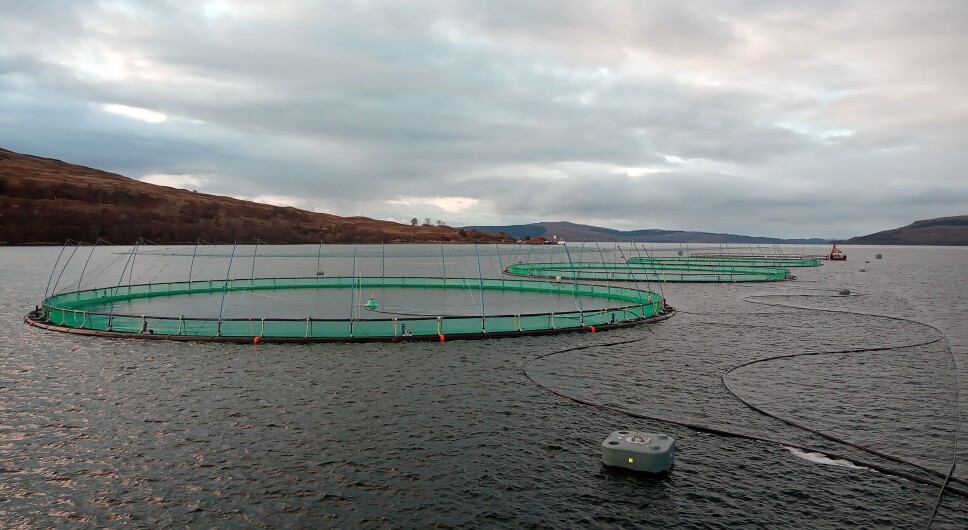
| Harvesting | Seafood is either caught from the wild or farmed. Common methods include trawling and aquaculture. |
| Processing | After harvesting, seafood is processed to maintain freshness. This includes freezing or packaging. |
| Distribution | Processed seafood is transported to various outlets, including restaurants and retailers. |
| Retail | Seafood is sold to consumers, with traceability ensuring the product’s origin and quality. |
Importance of Traceability
- Food Safety: Traceability systems monitor seafood from capture to sale, allowing for quick identification of safety issues.
- Combatting Illegal Fishing: These systems provide documentation to verify that seafood is legally sourced, helping to prevent illegal, unreported, and unregulated (IUU) fishing.
- Promoting Sustainability: Traceability allows restaurants to confirm that seafood comes from sustainable sources, supporting responsible fishing practices.
- Building Consumer Trust: Transparency in sourcing helps restaurants assure customers of the quality and sustainability of their seafood.
Tools and Technologies
The seafood industry often utilizes technology, such as blockchain and electronic data capture, to enhance traceability. These tools help track seafood from the fishing vessel to the plate, ensuring compliance with regulations and promoting ethical sourcing practices.
By implementing these traceability measures, restaurants can provide high-quality seafood while supporting sustainable practices and consumer confidence.