Yellowtail
In: Fresh Seafood
Unique Characteristics of Yellowtail
Culinary Appeal
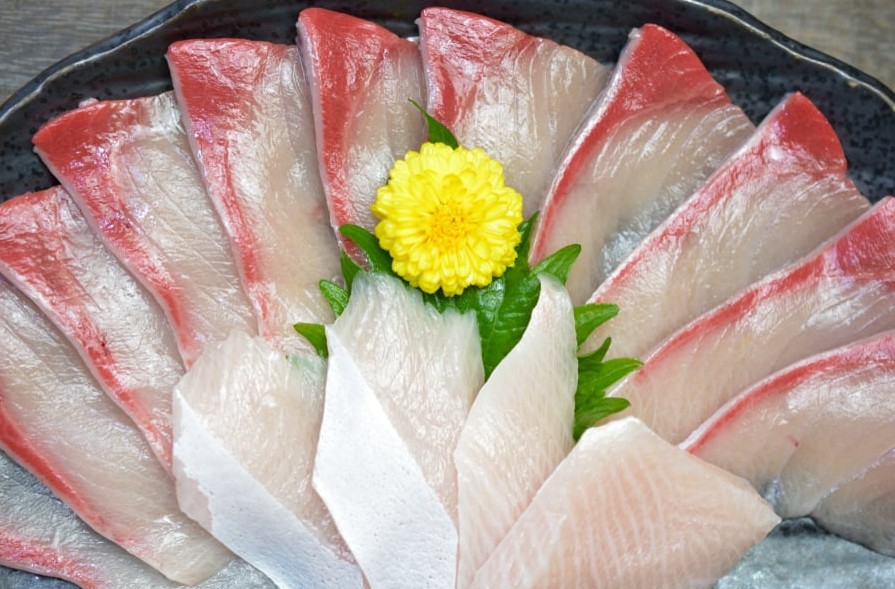
- Flavor and Texture: Yellowtail, particularly California yellowtail, has a rich, mild flavor and a fatty texture, making it versatile for various cooking methods. It can be enjoyed raw in sushi or sashimi, grilled, or seared.
- Nutritional Benefits: This fish is low in mercury, making it safe for consumption by children and pregnant women. It is rich in omega-3 fatty acids, protein, and essential nutrients like selenium, which contribute to heart health and overall well-being.
Aquaculture Potential
- Fast Growth: California yellowtail is known for its rapid growth rate, making it a strong candidate for aquaculture. This fish can reach sexual maturity in just 2-3 years, which is beneficial for sustainable farming practices.
- Market Demand: The high demand for yellowtail in the culinary market, especially in sushi and sashimi dishes, drives interest in its sustainable farming and harvesting.
Environmental Considerations
Sustainability
- Conservation Status: California yellowtail is listed as “Least Concern” by conservation organizations, indicating a stable population. Sustainable fishing practices and aquaculture efforts help maintain its availability.
- Habitat: These fish are typically found in rocky reefs and kelp forests along the California coast, contributing to the local marine ecosystem.
Local Fishing Practices
- Wild Caught vs. Farmed: Many consumers prefer wild-caught yellowtail due to its flavor and sustainability. Local fishing practices emphasize responsible harvesting methods, ensuring the fish is fresh and of high quality.